Revitalize Your Living Area: Crucial Insights About Home Remodeling Services for All Property Owners
Many householders want to find methods to enhance their living spaces through remodeling services. Such undertakings may vary starting with kitchen improvements to entire residential overhauls. Knowing the choices accessible is essential for making informed decisions. Additionally, there are practical considerations such as setting a budget and contractor selection. When property owners embark on this process, they may find themselves facing unexpected challenges. The secret to a great renovation depends on meticulous preparation and performance. What steps should be taken next?
Knowing the Various Categories of House Improvement Projects
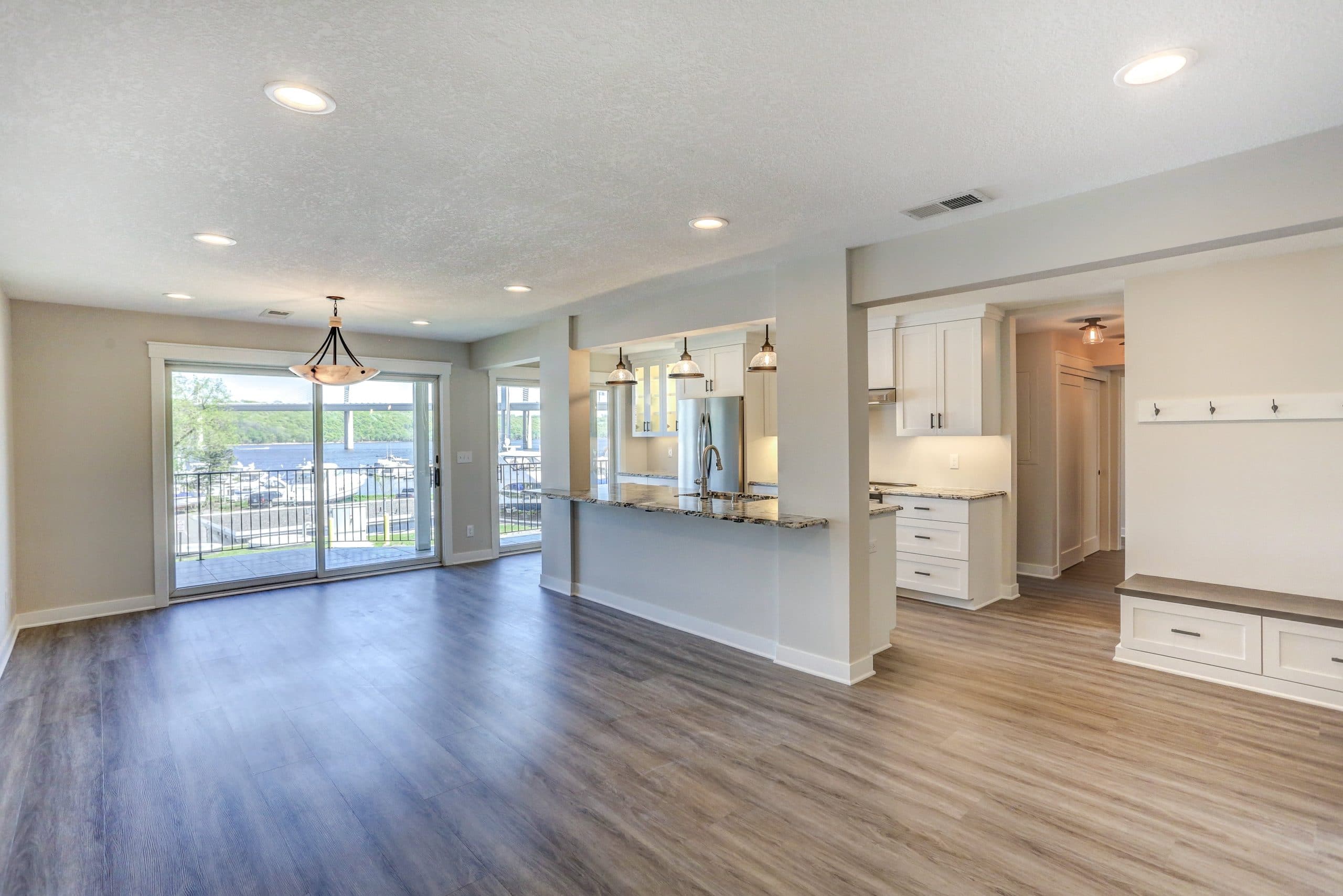
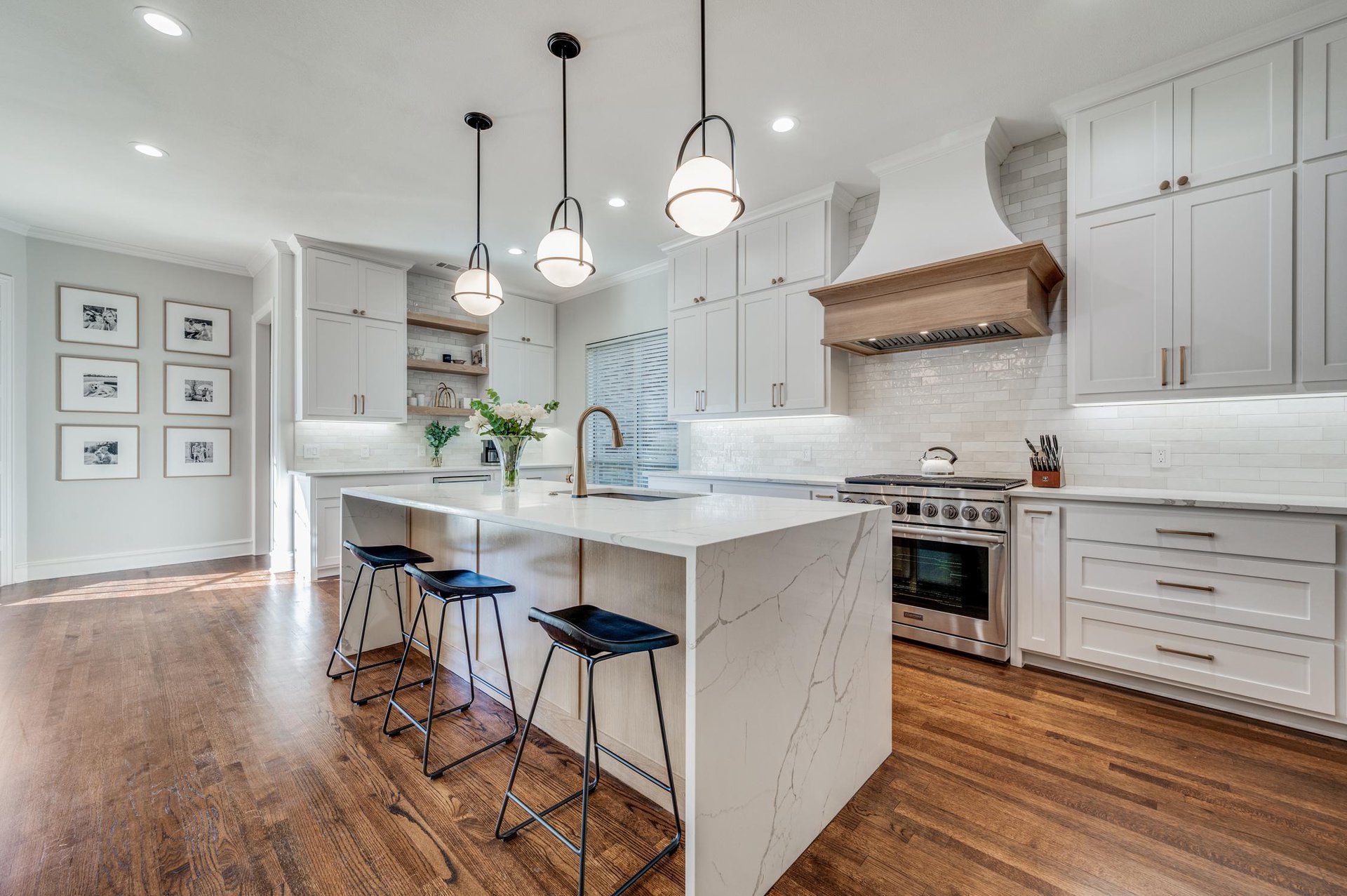
When homeowners consider renovating their living spaces, they typically find numerous renovation options designed for specific preferences and preferences. These services can be broadly categorized into various categories, all dealing with certain elements of home improvement. Kitchen remodeling focuses on upgrading equipment, the cabinets, and the design to improve usability and the look. Renovating the bathroom usually includes updating the hardware, tiling, and shelving options for improved comfort and style.
Full-house renovation covers significant changes throughout the residence, frequently involving changing the structure to optimize space and layout. Outdoor renovation projects, on the other hand, concentrate on enhancing the home's outward appearance, dealing with the cladding, the roof, and landscaping. Moreover, niche projects such as completing the basement and attic conversions help residents make the most of unused areas. Every renovation category delivers specific perks, letting residents pick services that fit their desired outcome for their residence. Knowing these variations is essential when deciding intelligently during the renovation process.
Creating an Attainable Financial Limit for Your Renovation Undertaking
How can homeowners guarantee their remodeling projects remain within budget? Setting a practical budget is necessary. It is advisable for homeowners to begin by evaluating their financial capacity, including savings and potential financing options. This initial step will help determine how much can be allocated for the remodel while maintaining other fiscal obligations.
Afterward, those undertaking the remodel should research the costs associated with their desired renovations, considering materials, labor, and unforeseen expenses that often arise. Developing a comprehensive priority list will assist in distinguishing essentials from desirable features, allowing for adjustments if the budget tightens.
It's wise to include a contingency fund, generally 10-20% of the entire budget, to account for surprise expenditures. Periodically examining and tweaking the budget as the updating work progresses is also useful for preserving fiscal oversight. Finally, a thoroughly prepared budget does more than just confirm the project can be done and makes the whole updating experience better for those living in the home.
Choosing the Right Contractor for Your Needs.
Finding a suitable builder can significantly affect the success of a remodeling project. Property owners ought to start by conducting thorough research, asking for referrals from friends, family, or internet reviews. It’s vital to verify credentials, including licenses, insurance, and bonding, to confirm legitimacy.
Once potential contractors are identified, they should seek detailed cost breakdowns and timeframes, facilitating well-grounded side-by-side evaluations. Meeting with them offers a look at their manner of communicating and their professional conduct, which are essential for a collaborative process.
Additionally, reviewing past projects through portfolios or references can reveal a contractor's quality of workmanship. Property owners must also ask about guarantees or assurances, indicating the builder's certainty about their services.
In the end, choosing a professional who matches the homeowner's goals, finances, and schedule leads to a more favorable updating process, ensuring the work fulfills requirements and transforms the living space effectively.
Planning and Designing Your Ideal Space.
As homeowners envision their ideal spaces, thorough preparation and well-considered layout become essential components of a triumphant renovation effort. The first step involves evaluating current needs and future aspirations, which permits a comprehensive grasp of the room's intended function. When planning, homeowners should evaluate functionality, visual appeal, and personal style, to guarantee the design showcases their individual tastes.
Following this, creating a detailed budget is vital. This budget should account for materials, workforce costs, and contingency funds. Engaging with design professionals can offer helpful perspectives, helping to optimize the space while sticking to budgetary constraints.
Integrating components like natural light, spacious designs, and eco-friendly supplies can elevate the living environment. Finally, seeing the project via sketches or digital renderings can help perfect concepts prior to construction. By approaching the planning and design phase with intention, homeowners can design a welcoming, practical area suited to their way of life.
Understanding Regulations and Permits in Home Remodeling
Grasping the intricacies of permits and rules can be intimidating for homeowners embarking on a renovation. Every city or county maintains distinct regulations that govern what can be done during renovations, typically guided by zoning laws, building codes, and safety standards. Homeowners must familiarize themselves with local regulations to prevent expensive penalties or setbacks in the timeline.
Typically, obtaining permits is crucial for substantial modifications, such as structural changes or electrical work. This process frequently requires submitting blueprints for approval and could involve check-ups at different phases.
Hiring an experienced builder can make this procedure easier, as they are often familiar with local codes and can help manage the documentation. Owners must also maintain clear communication with the municipal planning office to ensure adherence throughout the project. By grasping and navigating these regulations, homeowners can fulfill their improvement aims while ensuring safety and legality in their renovations.
Common Queries
How Long Does a Typical Home Remodeling Project Take?
The average remodeling job typically spans three to six months on average, based on the size of the job, scale of the house, and supply chain status. Complex projects may require additional time for completion.
What are some typical errors that people make throughout the renovation process?
Frequent errors in the remodeling process include failing to budget properly, not securing the required permissions, overlooking timelines, not maintaining clear communication with the construction team, and failing to think about long-term functionality. Knowing these potential problems helps ensure a less stressful, more successful remodeling experience.
How should I go about choosing the right materials for my renovation?
Choosing the right materials involves evaluating their resilience, aesthetics, and cost constraints. Researching options, getting expert advice, and thinking about upkeep are vital steps in reaching educated conclusions, to guarantee the project fits with personal and functional requirements.
Is it possible to stay in my house during renovations?
You are able to stay on the premises while work is ongoing, but it might cause disruption. Thorough preparation, effective discover more coordination with the renovation team, and designating specific areas where you can live normally can lessen the stress throughout the project.
What guarantees should I look for by my builders?
Clients typically receive warranties that guarantee the quality of the work, the products installed, and structural components, typically ranging from one to ten years. It is crucial to review specific terms and conditions with contractors to clearly grasp what is covered and what is excluded.